Midjourney vs. Stable Diffusion For Marketing: Which One’s Better?
Explore the key differences between two leading AI image tools for marketing, examining their strengths, usability, and pricing.


On this page
- Quick Comparison
- Stable Diffusion VS Midjourney: All You Need to Know
- Output Quality and Features
- Midjourney’s Image Style and Quality
- Stable Diffusion’s Output Range
- Quality and Features Comparison
- Setup and Learning Curve
- Using Midjourney Through Discord
- Setting Up Stable Diffusion
- Which Tool is Easier for Marketers?
- Costs and Usage Rights
- Midjourney’s Pricing Plans
- Stable Diffusion’s Cost Structure
- Price Comparison by Project Size
- Marketing Tasks and Results
- Midjourney for Brands and Social
- Stable Diffusion for Ads and Products
- Best Tool by Task Type
- Conclusion: Making Your Choice
- Key Differences
- Choosing the Right Tool
- Getting Started with AI Marketing
- Related Blog Posts
Looking for the best AI image tool for your marketing needs? Here’s a quick breakdown:
- Midjourney: Best for quick, high-quality visuals like social media posts and branding. Easy to use with minimal setup, available via Discord or web. Pricing starts at $10/month.
- Stable Diffusion: Ideal for advanced customization and detailed control, perfect for product visuals and ad campaigns. Requires technical skills for setup. Open-source with API plans starting at $27/month.
Quick Comparison
| Feature | Midjourney | Stable Diffusion |
|---|---|---|
| Strength | High-quality visuals | Extensive customization |
| Ease of Use | Simple setup via Discord/web | Requires technical expertise |
| Best For | Social media, branding | Product visuals, custom ads |
| Cost | From $10/month | From $27/month |
Key takeaway: Choose Midjourney for fast, polished visuals with minimal effort. Opt for Stable Diffusion if you need deep customization and have the technical know-how.
Stable Diffusion VS Midjourney: All You Need to Know
Output Quality and Features
Midjourney’s Image Style and Quality
Midjourney creates polished visuals that align closely with user prompts. The images stand out for their sharpness, vibrant colors, and depth, making them ideal for marketing purposes. Its default style leans toward realistic illustrations, which works well for professional branding. Users can also tweak settings like aspect ratios, resolution, and finer details using specific commands, adding flexibility to the process.
Stable Diffusion’s Output Range
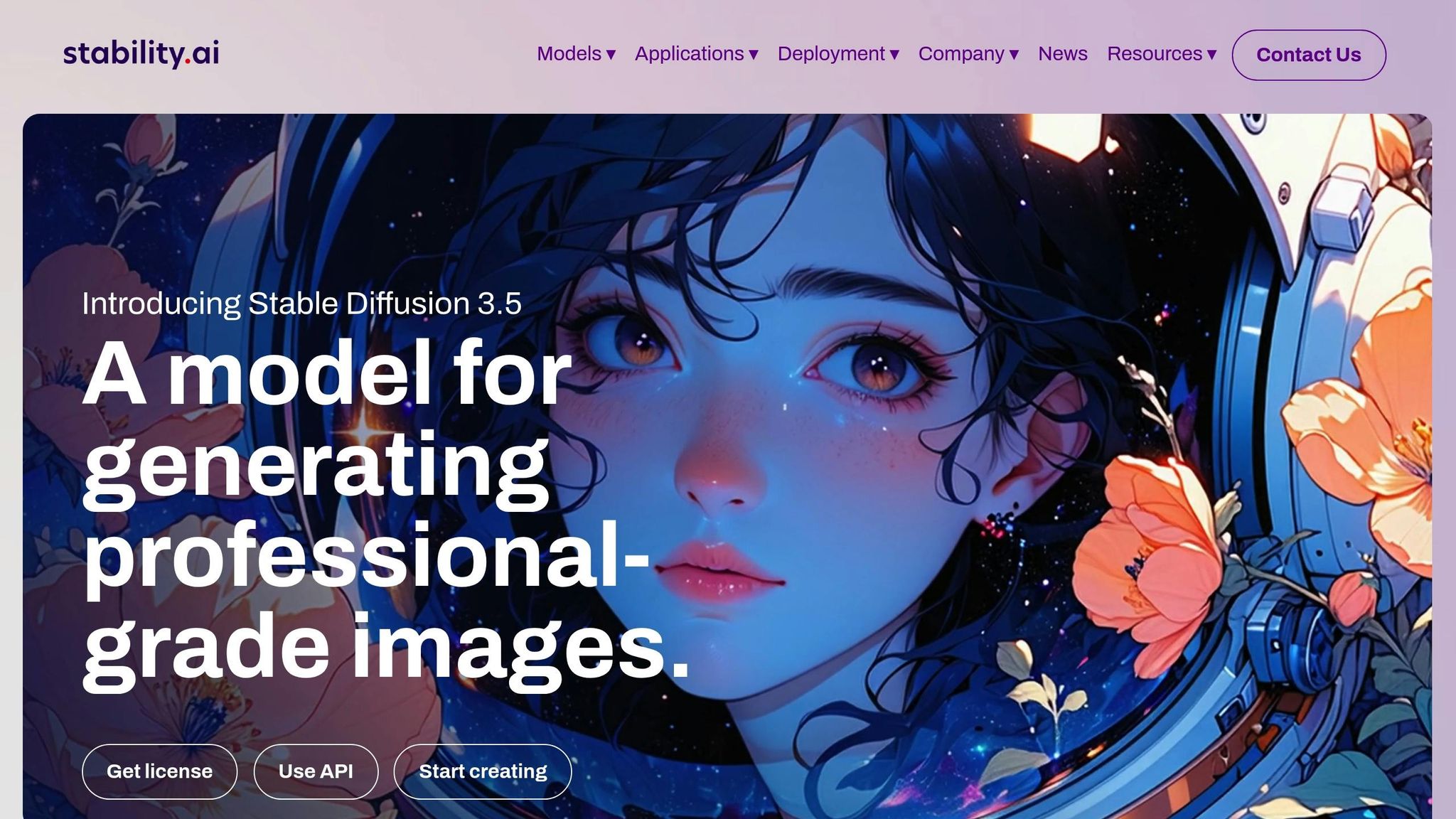
Stable Diffusion, on the other hand, offers a broader range of image styles but with varying quality. The February 2024 update, Stable Diffusion 3, brought noticeable improvements in accuracy, creativity, and overall image output. Its open-source framework enables advanced customization through tools like Hypernetworks (to maintain style consistency), Sampling Methods (to refine images), and a Tokenizer (for better prompt interpretation). Users can also control parameters like diffusion steps and guidance scale, making it a strong choice for projects requiring unique visuals.
Quality and Features Comparison
Here’s how the two platforms stack up for marketing needs:
| Aspect | Midjourney | Stable Diffusion |
|---|---|---|
| Output Consistency | Reliable results across generations | Quality depends on settings |
| Detail Level | High detail in every image | Varies with prompt complexity |
| Style Range | Realistic and professional | From realistic to abstract |
| Customization Depth | Basic adjustments with built-in tools | Advanced, highly technical options |
| Prompt Accuracy | Strong alignment with input descriptions | Can overlook details in complex prompts |
Midjourney excels in delivering consistent, polished visuals, while Stable Diffusion offers more control and variety for custom projects.
Setup and Learning Curve
Using Midjourney Through Discord
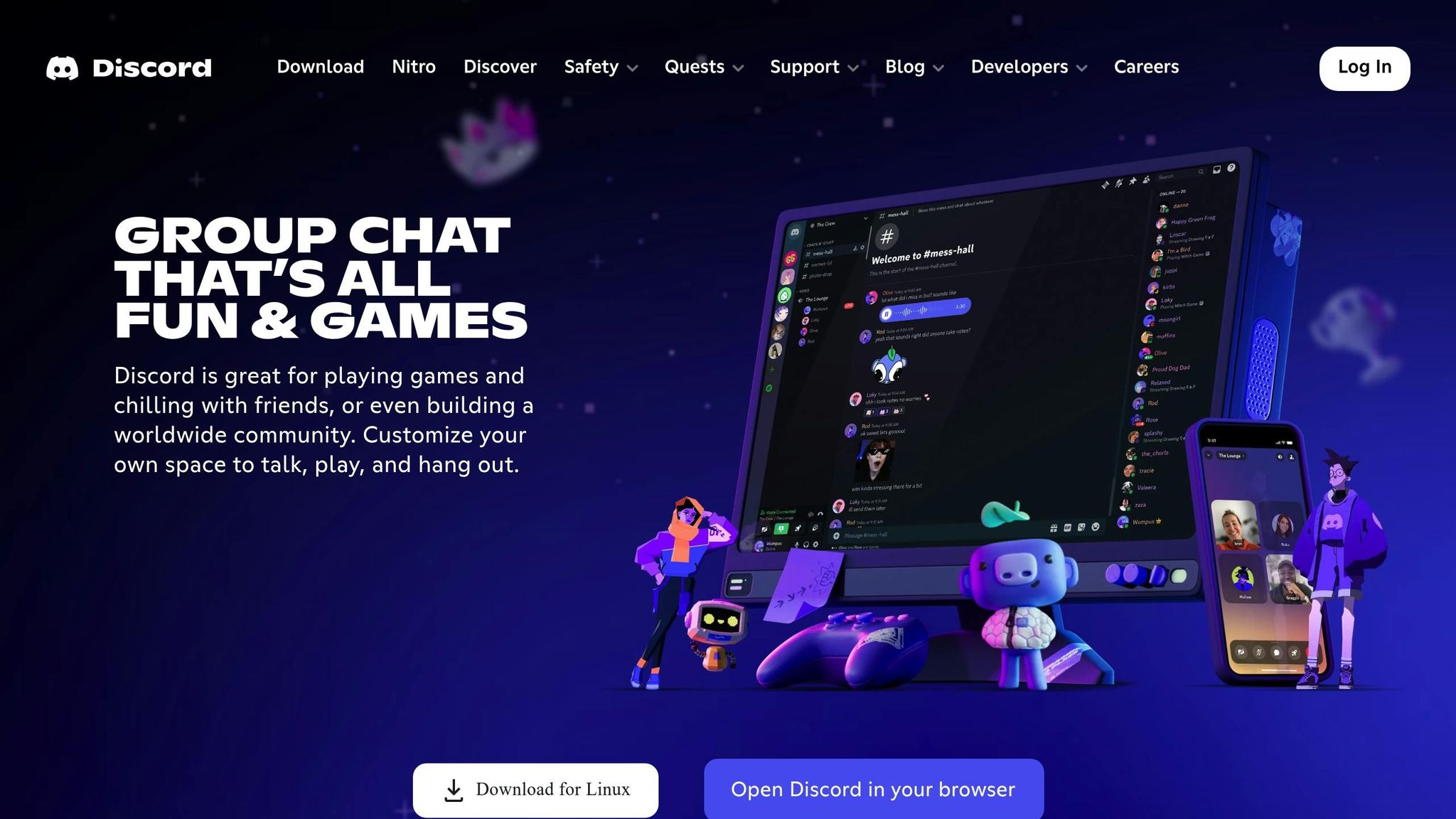
Midjourney runs on dedicated servers, so you don’t need to worry about your local hardware. It works through Discord, which might feel a bit unfamiliar at first, but becomes easy to navigate with a little practice. To get started, you’ll need to:
- Create a Discord account
- Join the Midjourney server
- Pick a workspace
- Enter your text prompts
That’s it – no complicated setup required.
Setting Up Stable Diffusion
Stable Diffusion offers a few different ways to access the platform:
| Access Method | Technical Requirements | Best For |
|---|---|---|
| DreamStudio | Just a web browser | Quick and simple setups |
| Local Installation | GPU and advanced skills | Offline processing |
| Mobile Apps | Smartphone or tablet | On-the-go image creation |
If you choose the local installation route, be prepared for a more technical process. It involves tasks like configuring a GPU, setting up Python, and managing models.
Which Tool is Easier for Marketers?
The right platform for marketers depends on your team’s technical skills and project needs. Research suggests that Midjourney is easier to use, making it a better option for teams looking for quick results. On the other hand, Stable Diffusion offers more customization, but this comes with a steeper learning curve.
"Honestly, it’s almost impossible to compare Midjourney’s polished app to the complicated and convoluted controls available through Stability AI’s mediocre ChatGPT competitor, Stable Assistant."
The complexity of Stable Diffusion’s setup can stretch resources and slow down marketing timelines. This makes your choice of platform a key factor in planning campaigns and managing your team’s workload.
sbb-itb-58f115e
Costs and Usage Rights
Midjourney’s Pricing Plans
Midjourney offers several subscription options based on team size and usage. The Basic plan costs $10 per month (or $8 per month billed annually) and includes 200 prompts, making it a good option for smaller teams exploring AI-generated imagery. The Standard plan is $30 per month (or $24 per month annually) and provides 900 prompts, along with unlimited Relax mode generation. For teams with higher demands, the Pro plan ($60/month) and Mega plan ($120/month) deliver increased prompt volumes and added privacy features.
Stable Diffusion’s Cost Structure
While Stable Diffusion’s core technology is open source, commercial use comes with pricing tiers for its API:
- Basic: $27 per month for 13,000 generations
- Standard: $47 per month for 40,000 generations
- Premium: $147 per month for unlimited API calls
For enterprise teams, custom model training is available at $1 per model. This pricing setup allows businesses to scale costs based on project size and usage.
Price Comparison by Project Size
| Project Size | Midjourney | Stable Diffusion | Best For |
|---|---|---|---|
| Small Campaign (<200 images/month) | Basic Plan ($10/month) | Basic API ($27/month) | Midjourney |
| Medium Campaign (500–1000 images/month) | Standard Plan ($30/month) | Standard API ($47/month) | Midjourney |
| Large Campaign (1000+ images/month) | Pro Plan ($60/month) | Premium API ($147/month) | Depends on specific needs |
"If you have subscribed at any point, you are free to use your images in just about any way you want. You must purchase the Pro or Mega plan if you are a company making more than $1,000,000 USD in gross revenue per year."
In February 2023, the U.S. Copyright Office determined that AI-generated images cannot be copyrighted. This ruling affects both platforms. However, Stable Diffusion does not claim any rights over the images created using its tools. When deciding between platforms, marketers should consider both costs and legal flexibility.
Marketing Tasks and Results
Midjourney for Brands and Social
Midjourney has become a go-to solution for creating eye-catching social media content and brand visuals. Its AI-powered prompt system turns simple ideas into polished visuals that stay true to a brand’s identity across various platforms. Whether it’s product mockups, Instagram posts, or short video animations, Midjourney ensures that key brand elements are consistently represented.
One of its strengths is staying relevant with trends, which helps boost audience engagement. Marketers can design visuals that trigger specific emotions by aligning them with audience preferences, making it ideal for content aimed at driving interaction. Plus, the new Midjourney web app simplifies the creative process, offering full access to its features without needing to use Discord.
Stable Diffusion for Ads and Products
Stable Diffusion is known for its flexibility in creating customized product visuals and advertising materials. As an open-source tool, it allows marketers to fine-tune and train their own models, ensuring visuals that are not only specific but also aligned with brand guidelines. This level of control is especially beneficial for businesses needing precision in their marketing assets.
For product-focused campaigns, Stable Diffusion excels at replacing imagery, streamlining asset creation, maintaining cohesive branding, and generating variations for A/B testing. These capabilities make it a strong choice for tackling detailed marketing challenges.
Best Tool by Task Type
Here’s a quick comparison of how each tool performs across different marketing tasks:
| Marketing Task | Best Tool | Key Advantage |
|---|---|---|
| Social Media Content | Midjourney | Quickly creates visually appealing content |
| Product Photography | Stable Diffusion | Offers precise control over product details |
| Brand Identity Assets | Midjourney | Ensures consistent aesthetic and style |
| Custom Ad Campaigns | Stable Diffusion | Provides extensive customization options |
| Quick Visual Content | Midjourney | Easy to use with fast results |
| Technical Product Renders | Stable Diffusion | Handles detailed technical specifications |
Tests reveal that Midjourney generates high-quality visuals at a faster pace, while Stable Diffusion achieves similar quality but requires more time and expertise. For brands needing quick, visually striking content, Midjourney offers a more streamlined experience. On the other hand, businesses looking for full control and detailed customization might prefer the advanced options Stable Diffusion provides.
Conclusion: Making Your Choice
Key Differences
Midjourney and Stable Diffusion take very different paths when it comes to AI image generation. Midjourney is all about creating eye-catching visuals with little effort, making it perfect for quick projects or social media. On the other hand, Stable Diffusion’s open-source framework gives you the freedom to customize and fine-tune images, making it a great choice for those looking to align visuals with specific brand needs.
Choosing the Right Tool
Here’s a quick guide to help you decide:
-
Go with Midjourney if you:
- Need high-quality visuals quickly for platforms like social media.
- Prefer consistent results without dealing with technical challenges.
- Want a tool that’s easy to set up and use.
-
Pick Stable Diffusion if you:
- Need detailed control over how images are generated.
- Want to build custom models for your brand.
- Have the technical skills to handle setup and maintenance.
Getting Started with AI Marketing
Ready to dive into AI marketing? Start by defining your top priorities. If you’re new to this space, Midjourney’s simple interface is a great way to dip your toes in. For those with more experience, Stable Diffusion offers advanced customization that might better suit your needs.
To get the most out of these tools, experiment with prompt guides like God of Prompt to fine-tune your inputs. Start small – try a few test projects, evaluate the results, and tweak your approach as you go. This will help you understand how to integrate AI-generated visuals into your marketing strategy effectively.
Related Blog Posts
- Midjourney vs DALL-E: Which AI Art Tool Fits Your Needs?
- Gemini AI vs ChatGPT: Comparing Prompt Effectiveness
- 10 Best DeepSeek R1 Prompts For Digital Marketing
- Grok 3 vs. Perplexity AI: Which AI Tool Is Best For Research?
Keep going: the prompt library has AI design prompts and Midjourney prompts ready to copy and run.
Prompts for this topic
Put this article to work with ready-to-use prompts from the God of Prompt library.
Keep reading

ChatGPT vs Gemini Image Generation — Which AI Creates Better Images?
Compare ChatGPT’s image generation (via DALL·E) with Gemini’s image capabilities — see which AI produces more creative, realistic visuals, and understand their strengths, pricing differences, and best use cases.

Midjourney vs DALL-E: Which AI Art Tool Fits Your Needs?
Explore the key differences between two top AI art tools, examining their features, pricing, and ideal use cases to find the perfect fit for your projects.
Building Smarter AI Systems Starts With Better Search Input: Here is how
Building smarter AI systems starts with better search input. Discover how refining queries, structuring data, and improving context can dramatically boost AI accuracy, relevance, and performance.
The best of the blog, in your inbox
One email when notable prompts, tools, and model updates land. No spam, unsubscribe anytime.
Join 100,000+ subscribers. One email a week, real prompts, tools, and model updates. Unsubscribe anytime.