
Top Prompt Resources for HR and Recruiting Professionals



AI prompts are reshaping HR by automating repetitive tasks like writing job descriptions, crafting interview questions, and analyzing workforce data. This allows HR teams to focus on building stronger teams and improving workplace experiences. The key? Use specific, tailored prompts for better results. Here's what you can achieve with AI in HR:
- Candidate Sourcing: Generate Boolean search strings, personalized outreach messages, and role-specific screening questions.
- Interview Prep: Create structured interview questions, scoring rubrics, and scenario-based tasks.
- Job Descriptions: Write engaging, role-specific descriptions that reflect company culture.
- Onboarding: Develop personalized onboarding plans, welcome emails, and training schedules.
- Employee Engagement: Draft recognition messages, engagement surveys, and retention strategies.
- Compliance: Review policies for legal gaps, flag potential biases, and draft accessible policies.
- Data Analysis: Analyze turnover trends, predict staffing needs, and review pay structures for equity.
AI tools like God of Prompt's Complete AI Bundle provide ready-made templates to simplify these tasks, helping HR professionals save time while maintaining quality. Remember, AI is a tool - not a replacement for human oversight.
1. Candidate Sourcing and Recruitment
Building Targeted Boolean Search Strings
Finding the right candidates begins with knowing how to search for them effectively. AI can simplify this process by generating precise Boolean search strings tailored to specific roles, making it easier to comb through job boards, LinkedIn, and applicant tracking systems.
For instance, you could use a prompt like this:
"Create a Boolean search string for a senior software engineer with 5+ years of experience in Python, Django, and AWS, located within 50 miles of Austin, Texas, who has worked at a SaaS company."
This kind of prompt helps combine keywords and location filters with precision, ensuring you zero in on the most relevant candidates.
This method is particularly useful for specialized roles or positions with unique requirements. Imagine you're looking for a compliance officer who needs both legal expertise and a background in healthcare. A well-constructed Boolean string can quickly narrow the field by specifying essential qualifications, preferred skills, and even excluding irrelevant job titles that might clutter your results.
Refining your search is key. You might need to adjust your prompt to exclude entry-level candidates or focus on professionals from companies of a certain size. Each tweak sharpens your results, saving time and improving accuracy.
AI can also help craft personalized outreach messages that resonate with candidates. For example:
"Write a LinkedIn outreach message for a data scientist who recently published research on machine learning applications in healthcare, inviting them to discuss a senior role at a medical technology startup."
This kind of tailored messaging feels genuine, boosting response rates and making your approach stand out.
Additionally, AI can assist in creating role-specific screening questions. Instead of relying on generic interview templates, you can generate customized questions that align with the skills and experience needed for a particular position. For example, if you're hiring a marketing manager, AI can help draft questions to evaluate expertise with specific tools, budget management, and leadership abilities.
For those looking to streamline their hiring process, God of Prompt's Complete AI Bundle offers a comprehensive library of customizable AI prompts. These prompts cover everything from Boolean search creation to candidate engagement strategies and are designed to integrate seamlessly with platforms like ChatGPT and Claude. With these resources, you'll have ready-to-use templates that can be tailored to meet your recruitment needs, setting the stage for a more efficient and effective hiring process.
2. Interview Preparation and Screening
Generating Structured Interview Questions and Evaluation Frameworks
A well-prepared interview can make all the difference in identifying the right candidate. With AI prompts, you can streamline this process by creating tailored question sets and evaluation frameworks that align with the specific needs of a role. Here’s how you can make this work effectively.
Start by crafting interview questions that focus on the skills and experiences required for the job. For instance, if you're hiring a senior product manager, you might use a prompt like:
"Create 10 behavioral interview questions for a senior product manager role that assess experience with cross-functional team leadership, data-driven decision making, and managing product roadmaps for B2B SaaS products."
This kind of prompt produces questions that dig into real-world scenarios, helping you understand how candidates have handled challenges similar to those they’ll face in your company. It’s a practical way to ensure the interview focuses on relevant competencies.
To maintain fairness and consistency, AI can also help you create standardized scoring rubrics. For example:
"Design a 5-point scoring rubric for evaluating candidates' responses to questions about conflict resolution, with clear criteria for each score level from 1 (poor) to 5 (excellent)."
Such rubrics provide clear benchmarks for interviewers, reducing subjectivity and enabling more objective comparisons between candidates.
For technical roles, AI can assist in developing scenario-based questions that reflect real job challenges. For example, when interviewing for a customer success manager position, you could prompt:
"Write three customer scenario questions for a SaaS customer success manager interview, where the candidate must detail handling a frustrated enterprise client risking a $50,000 annual contract."
These questions test a candidate’s ability to think quickly and apply their expertise to practical problems, offering insights into how they might perform in real-world situations.
AI can also generate pre-interview assessments like take-home assignments, exercises, or skills tests to evaluate candidates’ abilities before they even step into the interview room.
The God of Prompt's Complete AI Bundle offers a wealth of resources to help HR professionals prepare for interviews. This bundle includes templates for behavioral questions, technical assessments, competency frameworks, and scoring rubrics, all customizable for different industries and roles. With tools like ChatGPT and Claude, you can adapt these prompts to fit your organization’s unique hiring needs, making your recruitment process more efficient and aligned with your broader HR strategy.
3. Job Descriptions and Employer Branding
Crafting Job Descriptions That Reflect Company Culture and Attract Top Talent
A job description is often the first glimpse candidates get into your company. It’s more than a list of responsibilities - it’s a chance to showcase your company’s culture, values, and what makes your workplace stand out. With the help of AI prompts, you can create job descriptions that not only inform but also engage, ensuring they connect with the right candidates while staying true to your employer brand.
For example, if your company values work-life balance and professional growth, an AI prompt could look like this:
"Write a job description for a Marketing Manager position at a tech startup that highlights our dedication to work-life balance, continuous learning, and a supportive, collaborative team environment. Include examples like access to professional development tools and flexible remote work options."
This kind of description doesn’t just outline the role - it paints a picture of the workplace, attracting candidates who share your values and priorities.
AI can also help emphasize issues that matter to today’s workforce, such as diversity and inclusion. For instance:
"Create a Senior Software Engineer job description that authentically incorporates our commitment to equal opportunity employment and details our initiatives for supporting underrepresented groups in tech, such as mentorship programs and employee resource groups."
For positions that thrive on creativity and forward-thinking, AI can craft descriptions that reflect an innovative culture. Take this prompt, for example:
"Draft a Product Designer job description that showcases our focus on innovation and experimentation, emphasizing opportunities for creative collaboration and projects that push boundaries."
Tools like The God of Prompt's Complete AI Bundle offer ready-to-use templates tailored for various industries and roles. These templates make it easy to create job postings that are clear, engaging, and aligned with your employer brand, helping you attract the talent that fits your vision.
4. Onboarding and Employee Integration
Creating Personalized Onboarding Experiences That Set New Hires Up for Success
After streamlining recruitment and interviews, the next step is making sure onboarding runs just as smoothly. Those first few weeks are critical - they can shape how a new hire feels about their role and their place in the company. A well-thought-out onboarding process doesn’t just help new employees learn the ropes; it builds their confidence, helps them connect with the team, and sets the foundation for their journey with the organization. With AI, you can turn a one-size-fits-all onboarding process into something that feels tailored to each individual’s role, background, and learning style.
AI can help create customized onboarding plans that align with the specific needs of a new hire's role and department. For instance, if you're onboarding a remote sales representative, you could use a prompt like:
"Create a 30-day onboarding plan for a remote Sales Development Representative that includes daily goals for the first week, weekly milestones for weeks 2-4, virtual meet-and-greets with key team members, product training modules, and check-in points with their manager. Include suggestions for building relationships with colleagues in a remote environment."
This kind of personalization ensures new hires have a clear roadmap, easing the uncertainty that often comes with starting a new job. It also extends the efficiency you’ve already gained during the hiring process.
AI can also craft thoughtful welcome messages and team-introduction guides. For example:
"Write a warm welcome email for a new Marketing Coordinator joining our team, introducing them to our company's mission of sustainable business practices, explaining what their first day will look like, and encouraging them to reach out with questions. Include details about our weekly team lunch tradition and our open-door policy."
Managers can use AI to draft team announcements that make integration smoother. Here’s an example prompt:
"Draft a message to the Customer Success team announcing a new team member starting on December 15, 2025. Include their background in SaaS support, their role responsibilities, and specific ways team members can help them feel welcome during their first month, such as scheduling informal coffee chats or sharing helpful resources."
Training materials can also benefit from AI’s assistance. It can simplify complex content into structured, easy-to-follow learning paths. For instance:
"Create a week-by-week learning path for a new HR Coordinator covering our HRIS system, benefits administration processes, compliance requirements, and employee relations protocols. Include clear objectives, key resources, and practical exercises."
For those looking for ready-made solutions, God of Prompt’s Complete AI Bundle offers onboarding templates, including personalized welcome packets, training schedules, and integration plans, with lifetime updates available via Notion.
5. Employee Engagement and Retention
Building Connections and Recognition Programs That Keep Your Best Talent
Once onboarding is complete, the focus shifts to keeping employees engaged. But engagement isn’t about the occasional team-building event or an annual review - it’s about fostering ongoing connections, recognizing contributions, and making employees feel valued. Building on a solid recruitment and onboarding process, these strategies help ensure employees stay committed for the long haul.
AI tools can play a key role in creating recognition programs that feel personal and meaningful. For instance, you can tailor acknowledgments to highlight individual achievements. Here's an example:
"Write a recognition message for Sarah Chen, a Customer Success Manager who has achieved a 98% client satisfaction rating for six months straight while mentoring two junior team members. Highlight her role in improving client retention and team development, and announce her recognition in our monthly company newsletter."
Employee engagement surveys are another essential tool to uncover pain points and identify growth opportunities. AI can help you design surveys that are tailored to specific departments or needs. For example:
"Create a 10-question employee engagement survey for our Engineering department. Focus on topics like work-life balance, professional development, team collaboration, and resource availability. Include a mix of rating scales and open-ended questions to gather actionable insights."
The real challenge lies in turning these survey results into effective action plans. AI can analyze feedback, identify recurring themes, and even draft strategies to address key concerns. For example:
"Based on survey results showing that 65% of employees feel unclear about career progression, draft a proposal for a career development framework. This should include quarterly growth conversations, skill-building opportunities, and transparent promotion criteria, with action steps to implement within 90 days."
Retention strategies go beyond structured onboarding and interviews - they require proactive measures to maintain employee connection. AI can help pinpoint when to check in with team members who might be at risk of disengagement. For example:
"Draft a one-on-one meeting agenda for a high-performing Software Engineer who’s been with the company for 18 months. Include questions about their career goals, satisfaction with current projects, skill development interests, and any concerns about their role or the company’s direction."
Regular feedback loops are essential for keeping engagement levels high. AI can assist in creating templates for meaningful performance discussions that focus on growth rather than just evaluation:
"Create a monthly check-in guide for managers to use with their direct reports. Include sections on recent accomplishments, current challenges, support needed, professional development goals, and work-life balance. Format it as a conversational guide to encourage open dialogue."
For remote or hybrid teams, maintaining strong connections requires extra effort. AI can help you design virtual engagement activities that truly resonate with team members. For example:
"Suggest five virtual team-building activities for a distributed Marketing team of 12 people, each lasting 30-45 minutes. Focus on activities that spark genuine conversations and build relationships, rather than feeling like forced fun. Include facilitation tips and any materials needed."
These activities should align with the tone and culture established during onboarding, reinforcing a sense of belonging and consistency. Tools like God of Prompt's Complete AI Bundle offer ready-made templates to streamline engagement initiatives.
sbb-itb-58f115e
6. Compliance and HR Policy Development
Keeping Policies Current and Legally Sound Without the Constant Legal Bills
Navigating compliance can feel like walking a tightrope - one misstep with outdated policies or overlooked regulations can lead to serious legal trouble. For HR teams, keeping employee handbooks up-to-date, spotting policy gaps, and tracking ever-changing employment laws across various states is a constant challenge. This is where AI can step in as a powerful research and drafting tool.
Recent data shows that 38% of HR decision-makers are already leveraging AI, and Gartner predicts that by 2026, 75% of companies will incorporate generative AI into their operations. Specifically, 44% of HR professionals report using AI for tasks like updating employee handbooks, making it one of the most common applications after drafting job descriptions and conducting performance reviews.
AI tools can help you thoroughly review policies and flag compliance issues that might otherwise slip through the cracks. For instance, if your company operates in multiple states, a prompt like this could be invaluable:
"Our company operates across California, Texas, New York, and Florida. Please review the attached internal policies and identify any gaps in compliance with state or federal law. Highlight areas that need updating and suggest revisions by category."
This kind of analysis helps uncover state-specific requirements, ensuring your policies align with all applicable laws. It can also generate comprehensive audit frameworks that address data security and bias concerns.
Safeguarding Data When Using AI
While AI is a useful ally, protecting sensitive company data is a must. In July 2025, Ryan Parker, Chief Legal Officer at SixFifty, emphasized the importance of safeguarding data when using tools like ChatGPT. His advice? Turn off settings like “Improve the model for everyone” to prevent your data from being used to train AI models. Additionally, only share specific excerpts - never upload entire handbooks.
"In any way that you decide to use AI prompts as part of your workflow, you need to be prudent, protective, and cautious with your company's data (even in use cases that may seem completely harmless)." - Ryan Parker, Chief Legal Officer, SixFifty
Accuracy and Bias: Proceed With Caution
Generative AI tools can be incredibly helpful for compliance work, but they’re not without limitations. Outputs should always be reviewed carefully, as these tools can produce outdated or inaccurate information. For example, some platforms, like ChatGPT, are trained on data only up to a specific date, which means they may not reflect the latest regulations.
AI can also assist with identifying potential biases in policies or processes that could lead to legal exposure. While this application is still relatively underused, HR professionals who leverage AI for bias detection often find it effective. An example prompt might be:
"We're analyzing our promotion processes for fairness. Please identify any potential biases or gaps that might be impacting underrepresented employees. Provide a checklist of areas for review, and include suggestions for equity-focused practices."
Streamlining Policy Creation and Accessibility
AI doesn’t just help with compliance reviews - it also speeds up policy creation. For instance:
"Draft a workplace harassment policy that complies with Canadian regulations."
Or, to make policies more employee-friendly:
"Summarize our PTO policy in friendly, non-legal terms."
These tools can help ensure that policies are both thorough and accessible, but remember, AI outputs are just a starting point. Every draft should be reviewed to confirm compliance with local laws and alignment with company values. It’s also critical to check for fairness and inclusivity, as AI models can sometimes reflect biases present in historical data.
For those looking to streamline compliance efforts further, resources like God of Prompt's Complete AI Bundle offer ready-made templates for policy development, compliance audits, and regulatory reviews - all designed to maintain proper data protection practices.
AI can significantly reduce the workload around compliance, but it’s not a set-it-and-forget-it solution. Combining AI’s efficiency with human oversight ensures your organization stays protected while improving HR’s overall effectiveness.
7. Data Analysis and Strategic HR Insights
Turning Raw HR Data Into Decisions That Actually Move the Needle
HR processes generate a ton of data, but the real challenge lies in turning those numbers into decisions that make a difference. With the right tools, like AI prompts, you can uncover patterns and insights that might otherwise stay buried in spreadsheets.
HR teams deal with a wealth of data - turnover rates, engagement scores, hiring timelines - but often, the most valuable insights are hidden beneath the surface. AI can help you quickly analyze this information, spot trends, and turn it into actionable strategies.
Here’s an example of how to dive into turnover trends:
"Analyze the attached turnover data from the past 18 months. Break down trends by department, tenure length, and season. Identify which departments have the highest attrition rates and suggest potential root causes based on the patterns you observe."
Using this approach, you can uncover details like seasonal hiring fluctuations, departments struggling with retention, or common traits among employees who leave within their first six months. These insights can save teams days of manual analysis and help them act faster.
Predictive analytics takes this a step further, allowing HR leaders to forecast future staffing needs. By analyzing historical data and growth projections, AI can help you prepare for what’s ahead. For instance:
"Based on our hiring data from 2023-2025 and our projected 25% revenue growth for 2026, estimate our staffing needs by department for the next 12 months. Include recommended hiring timelines to avoid capacity gaps."
Compensation analysis is another area where AI shines. With the right prompts, you can review pay structures and spot equity issues. For example:
"Review the attached compensation data across our engineering department. Identify any pay disparities based on tenure, role level, and performance ratings. Flag any patterns that might indicate equity concerns and suggest a framework for addressing them."
Additionally, benchmarking against industry standards becomes much more accessible with AI. Instead of hiring consultants, you can use prompts to compare your metrics with broader trends. For instance:
"Compare our average time-to-hire of 42 days for software engineers against industry benchmarks. What factors typically contribute to faster hiring cycles, and what process improvements should we prioritize?"
For HR teams looking to level up their data analysis, tools like God of Prompt's Complete AI Bundle offer tailored prompts for workforce analytics, compensation reviews, and strategic planning. These resources make it easier to extract practical insights from your data, even without deep technical expertise.
AI can uncover the patterns, but it’s your expertise and judgment that turn those patterns into strategy.
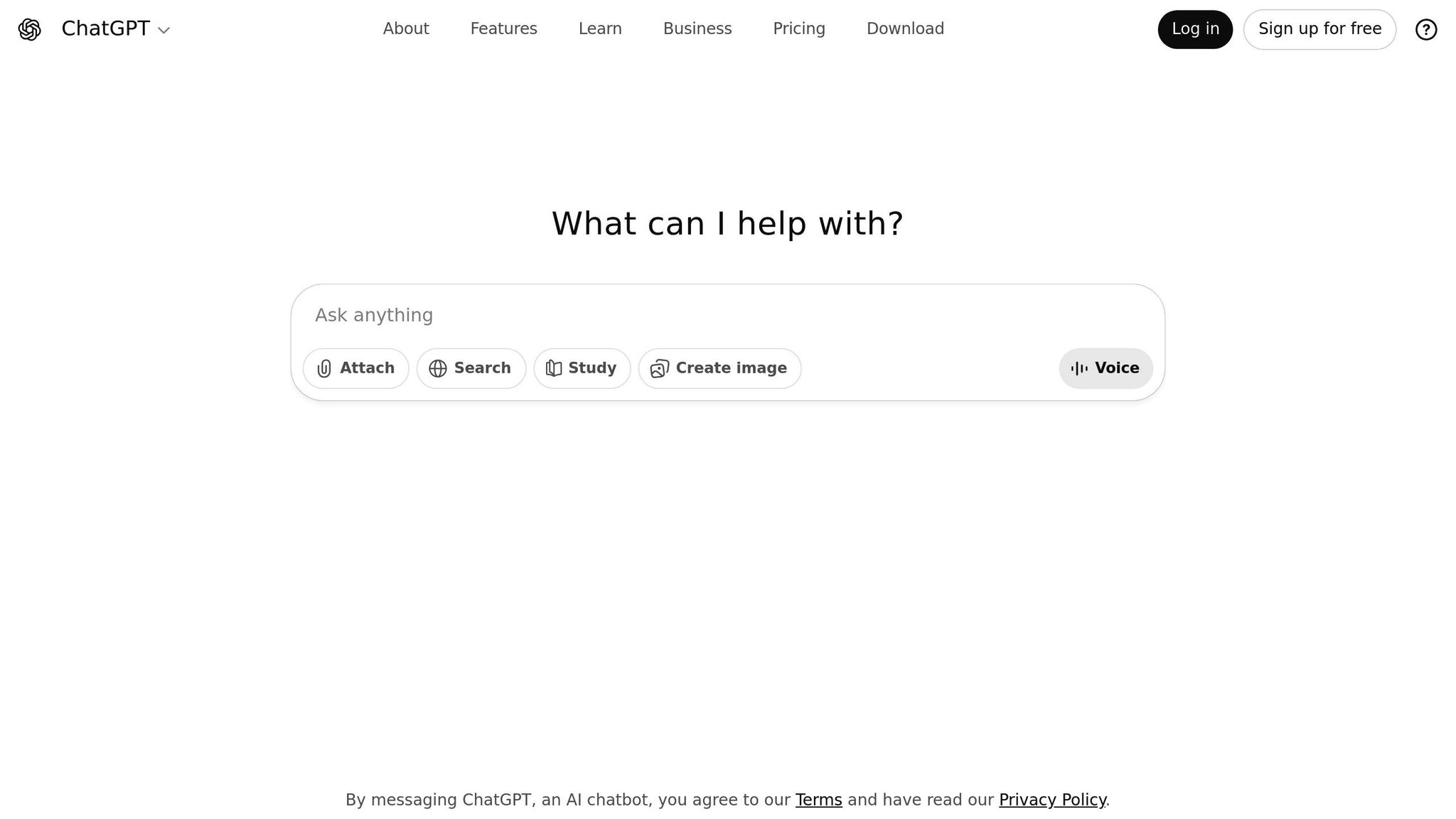
TUTORIAL: HR Prompts for ChatGPT
Conclusion
AI prompts have quickly become a game-changer for HR and recruiting teams aiming to stay ahead in a competitive landscape. From sourcing top talent and preparing for interviews to analyzing workforce data for compliance, these prompts transform tedious tasks into efficient workflows, freeing up time for the work that truly requires human insight and judgment.
Right now, only 38% of HR decision-makers are using AI, but that’s expected to change fast. Gartner predicts that by 2026, 75% of companies will incorporate generative AI in some way - up from less than 5% in 2023. Even more striking, over half of those use cases will directly support business functions like HR, compared to just 1% today. This massive shift highlights an opportunity for HR professionals: those who embrace AI prompts now will be far better positioned in the years to come. The importance of crafting precise, iterative prompts cannot be overstated.
The secret to effective AI prompts lies in their specificity and the willingness to refine them. Detailed prompts that clearly define the context and assign the AI a specific role tend to yield the most actionable insights. Whether you're creating a job description, analyzing turnover trends, or drafting onboarding materials, the quality of your prompt directly impacts the usefulness of the results. Iteration is key - adjusting and improving your prompts based on initial outputs ensures you get closer to the results you need.
It’s also essential to remember that AI is a tool, not a replacement for human oversight. Among the 57% of recruiting professionals who’ve used generative AI to craft job descriptions more efficiently, the best results come from those who carefully review and refine every output. Human involvement is critical for ensuring accuracy, avoiding bias, and staying compliant with regulations like Title VII and the ADA.
The potential applications of AI in HR extend far beyond these examples. As you experiment with prompts, customize them to fit your company’s specific needs - whether it’s a 50-person startup or a 5,000-employee enterprise. Adjust details, incorporate your organization’s language, and refine outputs until they align with your goals.
For those ready to explore further, resources like God of Prompt's Complete AI Bundle offer thousands of tailored prompts spanning every aspect of HR, from recruiting and onboarding to performance management and strategic planning. These templates can simplify implementation and accelerate your results.
HR professionals who thrive in the coming years will be those who integrate AI thoughtfully, balancing technology with the human touch. Whether it’s streamlining candidate sourcing or enhancing compliance checks, sharp, tailored prompts make all the difference. Start by addressing your biggest challenges, refine your approach, and build on your successes. The time you save on administrative tasks can be reinvested in what truly matters: building stronger teams and creating better workplaces.
FAQs
How can AI prompts help HR teams source candidates more effectively and accurately?
AI prompts are transforming the way companies approach candidate sourcing by taking over tedious tasks like resume screening and writing job descriptions. With their ability to process massive datasets quickly, they help HR teams pinpoint the most suitable candidates while cutting down on manual work and improving precision.
When recruiters use carefully designed prompts, they can also tackle unconscious bias, maintain consistent evaluations, and simplify their processes. This leads to quicker hiring decisions and a much smoother recruitment experience.
How can HR professionals use AI to ensure compliance with policies across different states?
AI can play a key role in ensuring compliance with HR policies across different states by simplifying the management and monitoring of regulations. Start by utilizing AI tools to review local employment laws, automate compliance checks, and identify potential issues based on the unique requirements of each state. Customizable AI prompts can also help craft policy updates or reminders tailored to specific jurisdictions, keeping your team informed and compliant.
However, for AI to be effective, it’s crucial to work with accurate and up-to-date data, as employment laws can differ widely from state to state. Make it a habit to regularly review and fine-tune AI-driven processes to stay aligned with evolving regulations. And don’t skip consulting legal or HR professionals - they’re essential for confirming that your compliance strategies are on the right track.
How can HR teams turn AI-driven insights into actionable strategies?
To transform AI-driven insights into practical strategies, start by leveraging AI tools to analyze HR data such as employee engagement surveys, turnover rates, and performance metrics. Look for patterns or areas that require attention. For example, if the data highlights low engagement in a particular department, you might explore introducing focused training sessions or team-building activities to address the issue.
From there, set specific, measurable goals based on these insights. For instance, if turnover rates are a concern, aim to decrease them by a certain percentage within a defined period. Make it a habit to regularly evaluate progress, using updated data and feedback to adjust your approach as needed. This ongoing process ensures your strategies stay aligned with organizational goals and deliver impactful results.
Related Blog Posts

Loved by Business Owners


Based on 1K reviews
Get smarter on AI every week.
Ready to transform your business?