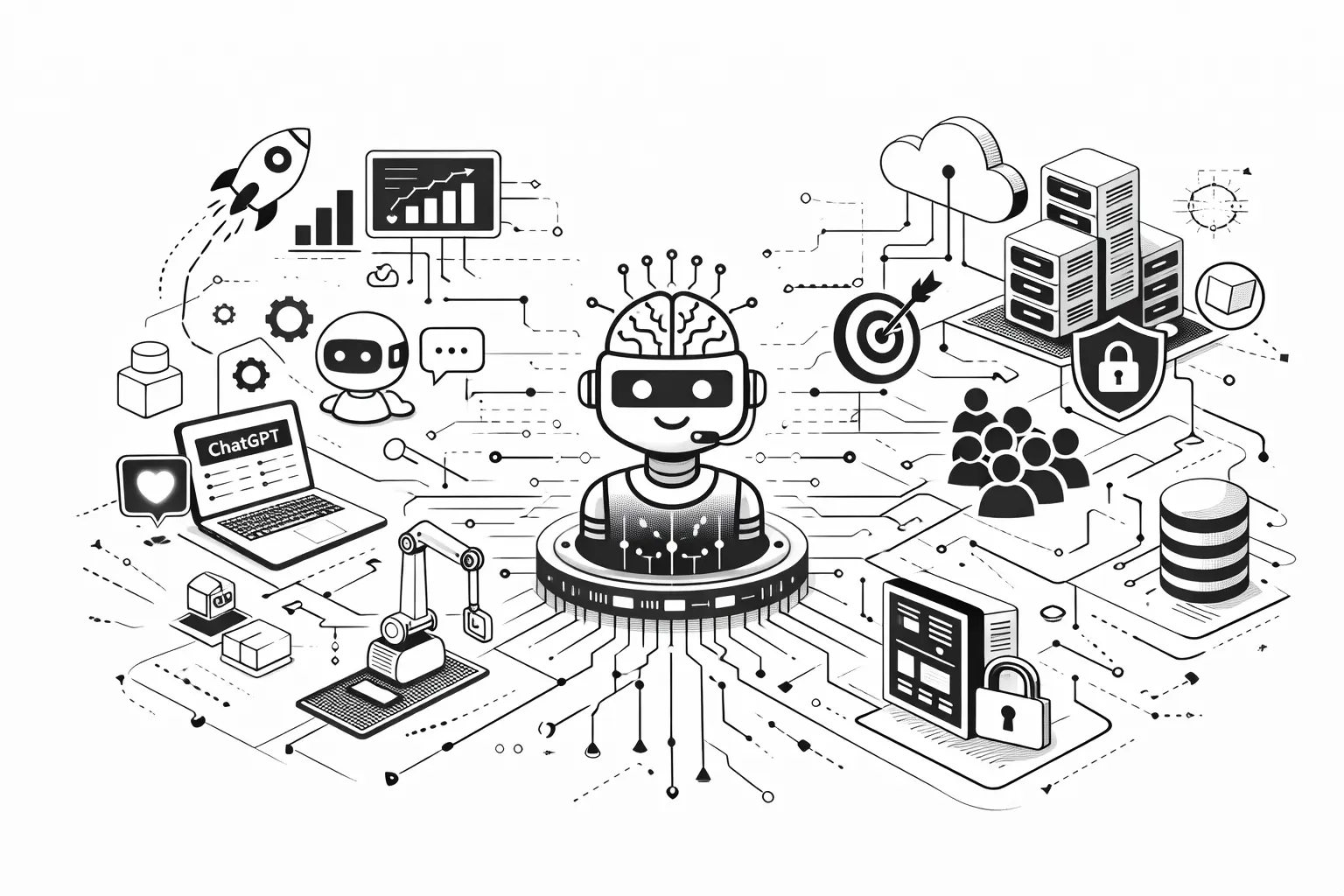

Best ChatGPT Prompts for Supply Chain Risks



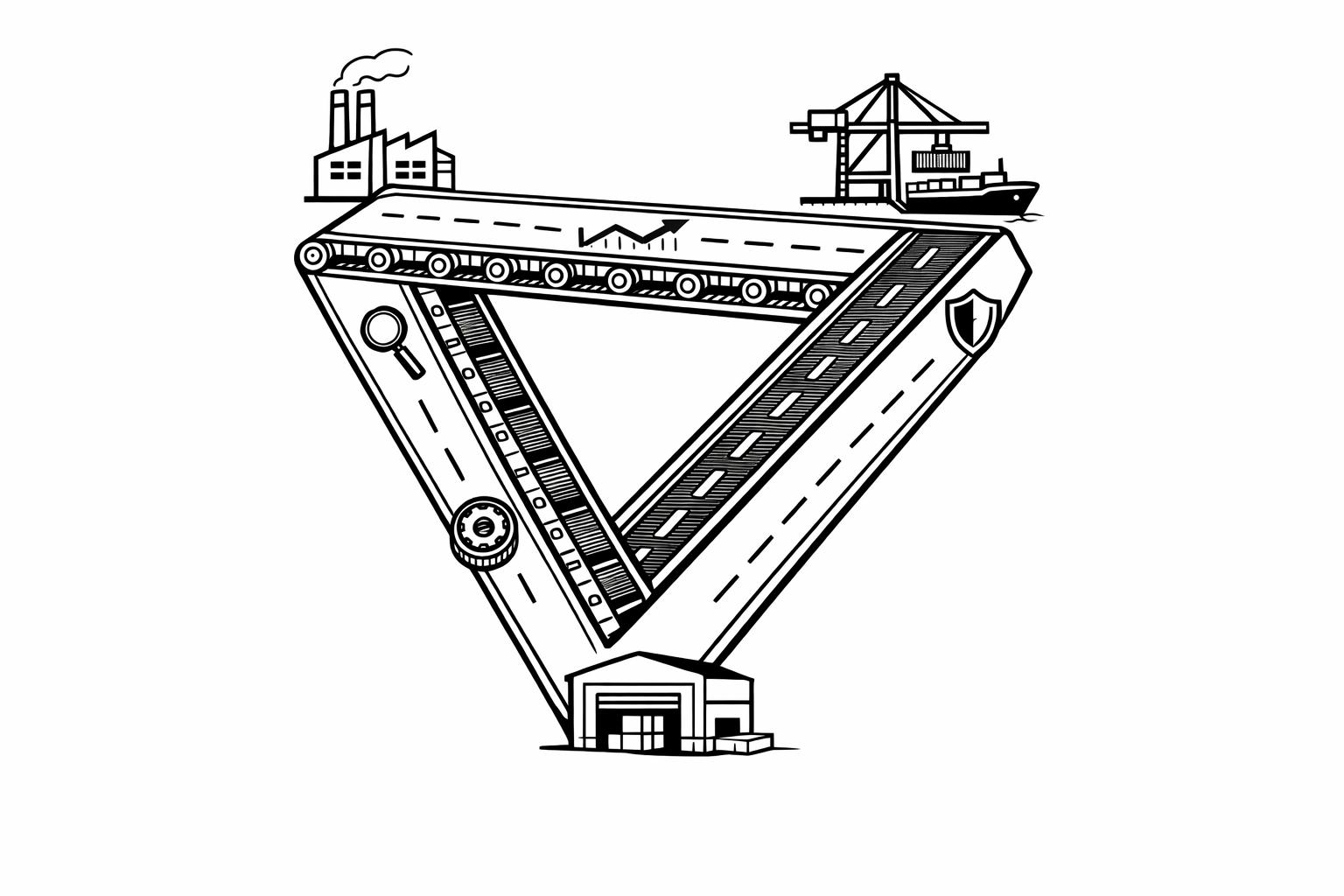
Managing supply chain risks is easier with AI tools like ChatGPT. It helps businesses handle supplier issues, logistics delays, demand fluctuations, and external disruptions by providing quick, actionable insights. With tailored prompts, you can:
- Assess supplier reliability using weighted scorecards that include financial stability, delivery performance, and risk factors.
- Track carrier performance with metrics like on-time delivery, cost per mile, and damage rates.
- Improve demand forecasting to avoid stockouts or overstock by analyzing sales velocity and lead times.
- Plan for geopolitical risks by simulating trade disruptions and identifying alternatives.
- Streamline compliance and operations by diagnosing bottlenecks and staying updated on regulations.
- Balance costs and sustainability by evaluating ROI on eco-friendly initiatives and reducing waste.
ChatGPT simplifies complex problems, saves time, and reduces costs. Platforms like God of Prompt offer thousands of pre-built prompts to address specific challenges. While AI provides a strong starting point, pairing its insights with human expertise ensures better decision-making.

6 Key Supply Chain Risk Categories and ChatGPT Solutions
1. Supplier Risk Management
Evaluate Supplier Reliability with Multi-Dimensional Scoring
Traditional supplier scorecards often stick to basics like on-time delivery and quality ratings. But with ChatGPT, you can create dynamic scorecards that dive much deeper. By prompting the AI to build a weighted reliability framework, you can evaluate suppliers across multiple risk dimensions.
Here’s an example breakdown for scoring weights: 30% Quality, 25% Delivery, 20% Risk Profile, 15% Contractual Flexibility, and 10% Relationship Health. This structure allows you to account for factors like financial stability, geopolitical risks, and how well a supplier handles unexpected challenges. Using rolling 12-month averages paired with standard deviations, you can measure performance volatility and normalize the data for a more informed risk analysis. This method leads to a more thorough and adaptable supplier evaluation process.
For instance, you could ask ChatGPT:
"Evaluate our top three suppliers using a weighted scorecard. Include rolling 12-month averages for on-time delivery with standard deviations, defect rates in parts per million, and separate 0–100 risk scores for financial, geopolitical, and cyber threats."
Why does this matter? Rolling 12-month averages with standard deviations help you spot volatility. A supplier with 95% on-time delivery might actually pose more risk if their performance fluctuates, compared to one with a steady 92%. Similarly, instead of a simple "ESG compliant: Yes/No", you can provide the AI with detailed inputs like certifications, recent audit dates, and unresolved findings. This gives you a traceable, evidence-based assessment, which is essential for managing supply chain risks effectively.
"Procurement isn't just buying things - it's risk management." - Kseniia Litovskaia, Procurement and Logistics Professional
In addition to scoring, use AI to create targeted questionnaires that dig deeper into supplier resilience. For example, ask ChatGPT to draft a 15-question survey addressing financial stability, past performance, quality control measures, and contingency planning. This ensures you’re collecting precise, actionable data from the start, making future risk evaluations more reliable. These strategies highlight how AI-driven tools can elevate your approach to supplier risk management.
sbb-itb-58f115e
2. Logistics and Transportation
Build Carrier Scorecards to Track Performance and Spot Red Flags Early
Carrier scorecards are a practical way to stay ahead of transportation delays by monitoring key performance metrics. With ChatGPT, you can create detailed, data-driven scorecards that focus on metrics like on-time delivery rates, cost per mile, and damage rates per shipment.
Here’s an example prompt you can use:
"Create a carrier scorecard for our top five freight partners. Include on-time delivery percentages for the last 12 months, cost per mile comparisons, and damage rates per 1,000 shipments. Highlight any carriers showing declining performance trends."
Including specific details - such as a jump in lead times from 8 to 12 weeks or maintaining 45 days of safety stock - can help ChatGPT generate more actionable insights . These scorecards allow for precise, metric-based evaluations of carrier performance. You can also ask for structured outputs, like a comparison table, an RFP checklist for evaluating new carriers, or even a professional email template to notify customers about delays .
"The teams getting the most value all have one thing in common: they know what to ask."
– Andy Gray, Editorial Director, Supply Chain 24/7
Using scorecards is just one way to tackle supply chain risks with AI. ChatGPT can also help you develop contingency plans for unexpected disruptions, like port closures or sudden demand spikes . For example, you can ask it to suggest alternative shipping routes, recommend adjustments to safety stock levels, or identify cost-efficient freight methods for different types of cargo. For those in the industrial sector, using manufacturing prompt libraries can further streamline these complex workflows. Follow-up prompts can take your planning further - after spotting a risk, ask for tools to track shipments in real-time or strategies to negotiate better freight rates. This layered use of AI makes ChatGPT a powerful ally in managing logistics automation challenges.
3. Demand Forecasting and Inventory
Use AI to Spot Stockouts and Overstock Risks Before Impacting Performance
Effective demand forecasting is a cornerstone of smart inventory management. By leveraging historical sales data, AI forecasting tools and ChatGPT can predict potential stockouts or overstock risks, ensuring your supply chain remains efficient and responsive.
ChatGPT can analyze sales velocity and lead times to recommend reorder quantities and prioritize restocking efforts. It also highlights underperforming products - those with low sell-through rates and high holding costs - and suggests strategies like markdowns or bundling to clear excess inventory. Tackling these challenges head-on helps reduce the ripple effects of broader supply chain risks.
Practical Prompt Example:
"Identify SKUs that have dropped below critical stock levels across our warehouse locations. Suggest immediate replenishment actions based on current lead times and sales velocity from the past 90 days."
You can take it a step further by requesting scenario planning. For example, ask for "best-case, worst-case, and middle-ground" demand projections for the next quarter. This approach equips you to handle market volatility with data-driven insights instead of relying on guesswork.
ChatGPT can also factor in external disruptions, like port closures or tariff hikes, to assess their impact on demand forecasts. For instance, if lead times increase from 8 to 12 weeks, you can prompt ChatGPT to calculate how this change affects your safety stock requirements. Additionally, it can present results in your preferred format - be it a comparison table of SKU performance or a bulleted list of inventory optimization steps , similar to those found in AI prompt collections for retail - making the insights clear and actionable.
4. Geopolitical and External Disruptions
Use AI to Build Contingency Plans for Trade Wars, Sanctions, and Global Instability
Geopolitical risks now account for 45% of supply chain disruptions, a steep rise from 25% before 2020. By 2025, trade wars, sanctions, and political instability are expected to disrupt $2.5 trillion in global trade. AI tools like ChatGPT can help businesses get ahead of these challenges by simulating "what-if" scenarios and building actionable contingency plans before disruptions hit.
For example, you can ask highly specific, context-driven questions such as: "Evaluate supplier exposure in Southeast Asia and identify nearshoring alternatives to mitigate tariff risks from potential U.S.-China trade escalations". ChatGPT can also assess downstream effects. A prompt like "Explain how a 15% tariff increase on electronics imports affects our cost structure and suggest mitigation strategies to protect against price spikes" can provide insights into cost management and risk reduction.
These proactive simulations are part of broader AI-driven strategies for managing supply chain risks.
"Continuous tracking can be facilitated through the help of digitally enabled end-to-end risk monitoring, using generative artificial intelligence to process large datasets and provide rapid, contextualized analyses for decision-making." - Mita Gupta, Executive Vice President, WNS Procurement
Real-world examples demonstrate the power of AI in mitigating geopolitical risks. In 2024, DHL's AI platform tracked policy changes across 150 countries and rerouted 30% of shipments, saving $200 million in tariff costs. Likewise, Walmart used AI agents to monitor global instability, which helped them avoid 20% of stockouts during crises in Venezuela by diversifying their supplier network in advance.
Practical Prompt Example: "What should be in our playbook if a major shipping lane shuts down due to armed conflict? List alternative routes, cost impacts, and customer communication protocols."
5. Operational and Compliance Risks
Use AI to Identify Process Bottlenecks and Meet Regulatory Demands
Tackling operational inefficiencies and compliance risks is crucial for managing the entire supply chain effectively. When processes break down or regulations are overlooked, profits can take a hit. Tools like ChatGPT can help you identify problem areas in your operations and keep up with shifting regulatory demands. By using tailored prompts, you can diagnose issues like warehouse delays, streamline repetitive tasks, and stay informed about regulatory updates.
For instance, if you're dealing with shipping delays, try prompts like: "List common reasons warehouses miss outbound cutoffs and how to fix them" to uncover potential bottlenecks. If processing times suddenly spike, you might ask: "Analyze these KPIs (on-time delivery, order accuracy) to identify weaknesses in our supply chain" and pair it with your performance data. Adding specific details, such as "put-away times increased from 45 minutes to 90 minutes over three weeks", will result in more targeted and useful recommendations.
Compliance management also becomes more manageable with AI assistance. For example, you can use prompts like "Summarize recent changes to EU import compliance rules" to quickly understand new legal requirements. Or, if you need to communicate with suppliers, try "Help me draft an email asking suppliers for sustainability certifications" to maintain a professional tone. Additionally, ChatGPT can analyze supplier audit data to determine if vendors comply with labor laws or environmental guidelines.
For actionable solutions, request specific output formats. For example, use "Develop an automation workflow for managing purchase orders, supplier invoices, and inventory updates" to receive step-by-step plans that you can implement immediately. When preparing for stakeholder discussions, prompts like "Explain Scope 3 emissions in plain language" can help simplify technical compliance topics for presentations or training sessions.
6. Financial and Sustainability Risks
Balancing Cost Efficiency and Environmental Goals with Targeted Prompts
Addressing financial and sustainability challenges in supply chains requires a careful balance between managing costs and achieving environmental objectives. By leveraging ChatGPT, businesses can transform complex trade-offs into actionable strategies, helping to align fiscal goals with sustainability initiatives.
One key approach is evaluating the return on investment (ROI) for sustainability efforts. For instance, you might ask: "Can you break down the upfront costs and long-term benefits of sustainable packaging?". This helps determine whether eco-friendly materials are a sound financial decision over time. Similarly, if you're considering energy-efficient facility upgrades, use a prompt like: "What are the projected energy savings and ROI of specific energy efficiency measures?". These tailored questions provide clear projections for better decision-making.
When assessing suppliers, it’s essential to integrate sustainability into financial evaluations. Prompts such as "What key metrics should a supplier scorecard include to balance quality, lead time, financial risk, and sustainability?" can guide this process. For procurement strategies, you might ask: "How can businesses balance cost savings and ethical sourcing in procurement?". These insights ensure that financial goals don’t overshadow ethical and environmental considerations.
Inventory management is another area where targeted prompts can help reduce waste without compromising profitability. For example, try: "Identify SKUs with high holding costs and low sell-through rates and recommend markdown strategies that protect overall margins". This approach optimizes inventory while keeping financial and sustainability metrics in check.
To measure and manage carbon emissions, start with a prompt like: "What are the first steps to collect carbon data from suppliers?". Establishing these baseline measurements is crucial for tracking progress. In fact, a study of 215 listed Chinese companies demonstrated how ChatGPT effectively supports green assessments and supply chain recommendations.
Finally, prepare for external disruptions using scenario analysis. A prompt like "Detail how tariff hikes or port closures impact financial forecasts, focusing on cost adjustments and margin effects" can help businesses anticipate and adapt to regulatory or logistical changes. This ensures both compliance and cost control in an ever-evolving landscape.
7. Comprehensive Risk Assessment
Building an End-to-End Risk Framework with Strategic Prompts
When it comes to assessing risks effectively, it’s crucial to map out interconnected vulnerabilities across the entire supply chain. Avoid relying on generic questions; instead, provide detailed, specific contexts to get targeted insights. For instance, you could ask: "We are holding 45 days of safety stock, but lead times just jumped from 8 to 12 weeks. What are the specific risks and mitigation steps?". A prompt like this shifts AI from being a simple brainstorming tool to acting as a strategic ally.
Once individual risks are identified, consolidating these insights into a broader framework allows for more informed decision-making. A well-crafted prompt can guide ChatGPT to play the role of a "Supply Chain Management Consultant", analyzing multiple areas at once - such as procurement challenges, logistics delays, and opportunities for process improvements. For retail businesses, prompts should also account for unique issues like seasonal demand swings, urban delivery complexities, and SKU-level profitability . A strong framework generated by AI should include hazard identification, impact and likelihood analysis, a review of current controls, and detailed mitigation strategies.
Here’s a practical example of a retail-focused risk prompt: "Analyze the supply chain for the retail industry and identify potential risks - including supplier reliability, transportation challenges, and market fluctuations. Provide a risk assessment matrix evaluating the likelihood and severity of each, followed by detailed mitigation strategies for each identified risk.". This method encourages a systematic evaluation of risks across various categories rather than isolating them.
To unlock even more value, try employing the "Mega-Prompt" technique. By sharing your industry (e.g., Retail), company size, and specific challenges, you can guide ChatGPT to create a step-by-step roadmap tailored to your needs. Integrated "what-if" scenarios can also be simulated to explore disruptions across supplier, logistics, and financial risks. For example, you might ask: "What happens if our main supplier cannot ship for 30 days?" This approach helps develop contingency plans that address multiple dimensions of risk. For leadership updates, you can request ChatGPT to summarize complex risk data into a concise narrative or executive-level summary.
This integrated strategy is gaining traction. Over 90% of Fortune 500 companies now experiment with ChatGPT Enterprise to enhance supply chain operations. Additionally, robust AI-driven prompts for planning can help reduce operational costs by as much as 35%. While ChatGPT can deliver a strong starting point, always refine its output with your industry expertise to finalize risk priorities.
For even more in-depth prompts and advanced strategies that incorporate these risk elements, check out the resources available at God of Prompt (https://godofprompt.ai).
ChatGPT: The Game Changer for Supply Chain Management | Digital Supply Chain Podcast
Conclusion
Tackling supply chain risks in retail doesn’t have to mean spending a fortune on consultants. ChatGPT prompts provide an affordable, hands-on solution for addressing challenges like supplier reliability and geopolitical disruptions. The real game-changer? How you frame your questions. By including details like lead times, safety stock levels, or regional hurdles, AI shifts from being just a chatbot to becoming a strategic ally. These tailored inputs turn generic advice into laser-focused strategies.
"ChatGPT is no longer just something supply chain teams are testing on the side. Many are already using it at work to prep for meetings, think through risks, explain data, and get everyday tasks done faster." - Andy Gray, Editorial Director, Supply Chain 24/7
The numbers back it up: over 90% of Fortune 500 companies are experimenting with ChatGPT Enterprise to optimize their operations. Companies using AI for supply chain planning have reported cutting operational costs by up to 35%, with specialized prompts slashing traditional consulting fees by as much as 80%. Retailers leading the charge are already reaping these rewards.
Starting with structured prompts can save you time and effort. Platforms like God of Prompt (https://godofprompt.ai) simplify the process with pre-built prompts tailored for supply chain needs. These tools guide AI to ask about your industry, company size, and pain points, delivering actionable risk strategies in minutes rather than weeks. Whether it’s seasonal demand fluctuations, shipping delays, or compliance hurdles, access to over 30,000 specialized prompts ensures you’re never starting from scratch.
That said, AI isn’t flawless. As procurement and logistics expert Kseniia Litovskaia points out:
"AI isn't perfect. Every draft needs review before it goes into action."
The best results come when AI-driven insights are paired with human expertise. Teams that use AI to handle routine tasks free up time to focus on strategy, negotiations, and building relationships. Precision-focused ChatGPT prompts are proving to be a critical tool for creating resilient and cost-efficient supply chains in retail.
FAQs
What data do I need to share with ChatGPT to get useful risk insights?
To make the most of ChatGPT for risk insights, it's essential to provide detailed supply chain data. This includes information like potential risks, market trends, supplier details, demand forecasts, inventory levels, and any specific challenges you're dealing with. The more precise and comprehensive the data you share, the better the insights you'll receive.
How can I turn ChatGPT outputs into a supplier or carrier scorecard?
Building a supplier or carrier scorecard with ChatGPT is simpler than you might think. Start by identifying the key performance metrics that matter most to your business. These could include:
- On-time delivery: How consistently suppliers meet delivery deadlines.
- Product quality: The standard of materials or goods provided.
- Response times: How quickly suppliers address inquiries or issues.
- Pricing: Competitive and fair cost structures.
Once you’ve nailed down these metrics, use tailored prompts to guide ChatGPT in generating evaluation criteria or KPIs for each metric. For instance, you could ask, "What are effective scoring criteria for evaluating supplier response times?" ChatGPT can suggest clear, measurable benchmarks.
Next, request ChatGPT to create a scorecard template. This might include scoring scales (e.g., 1 to 5) and sections for each metric. After generating the template, you can populate it with your supplier data.
Keep the scorecard updated regularly. This helps you make informed decisions, minimize risks, and strengthen relationships with your suppliers or carriers over time.
How do I validate ChatGPT’s recommendations before acting on them?
To make the most of ChatGPT’s suggestions, think of them as a foundation rather than a final answer. Always double-check important details against reliable sources like industry reports, academic studies, or expert advice. You can also ask ChatGPT to back up its recommendations by requesting evidence or additional context.
For added confidence, include a "reality check" in your process. This means consulting multiple sources to confirm the accuracy and relevance of the information, ensuring it aligns with your specific goals or requirements.
Related Blog Posts

Loved by Business Owners


Based on 1K reviews
Get smarter on AI every week.
Ready to transform your business?